

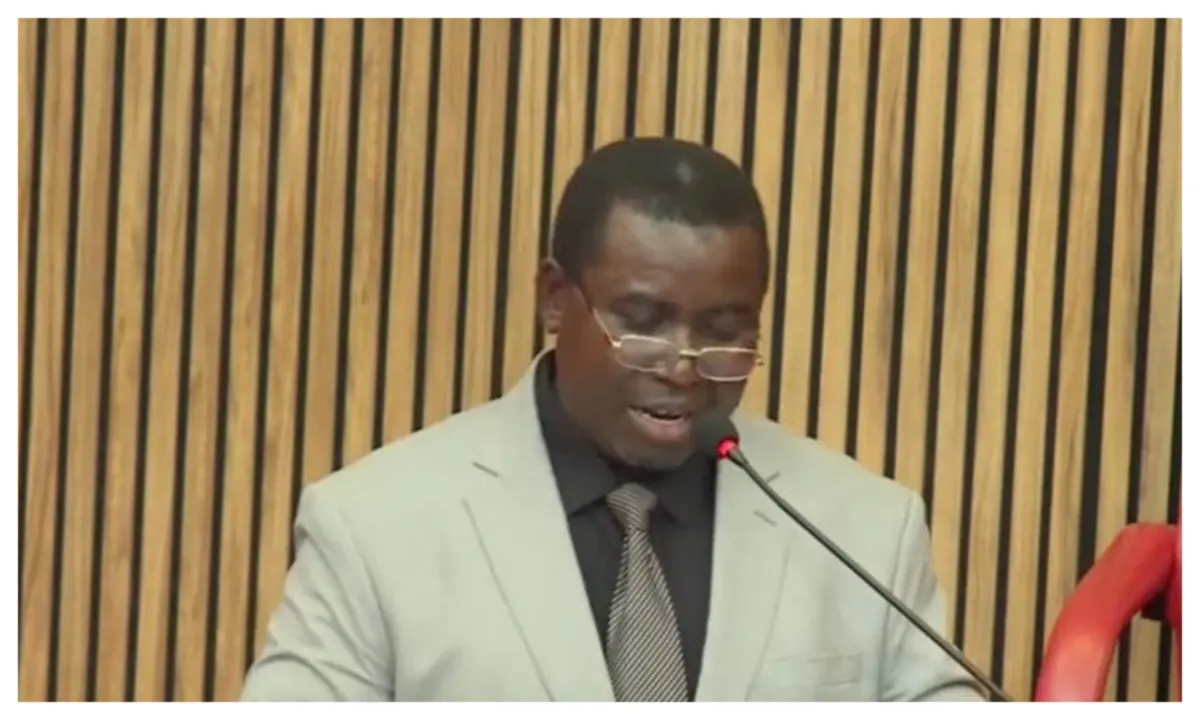
The International Society for Civil Liberties and Rule of Law Intersociety has defended its statistics on alleged religious killings in Nigeria after questions from the BBC Disinformation Unit. The organisation said its figures were sourced from credible reports including a legal brief written by Prof Joash Amupitan SAN who was recently appointed Chairman of the Independent National Electoral Commission INEC.
The clarification followed claims that the group inflated numbers to support a narrative of Christian persecution. The issue gained wider attention after former US President Donald Trump designated Nigeria a Country of Particular Concern and threatened possible military action citing violence against Christians and inadequate protection of religious minorities. Nigerian authorities have rejected suggestions of religious persecution.
In a statement on Thursday Intersociety said its data spans incidents from 2009 when the Boko Haram insurgency began. The group said the conflict led to widespread church attacks and closures in the North East.
Chairman Emeka Umeagbalasi noted that Amupitan contributed a legal opinion to a major international publication titled Genocide in Nigeria The Implications for the International Community included in the 312 page Religious Freedom in the World 2025 report launched at the Vatican on October 21 2025. According to Intersociety the report referenced the destruction or closure of more than 13,000 churches a figure first recorded in Anna Mulders 2015 Open Doors Report on Boko Haram activity between July 2009 and December 2014. Intersociety said Amupitan also cited research by Ewelina Ochab a known advocate on Christian persecution issues.
The group urged the BBC to also question official data from the Nigerian government pointing to National Bureau of Statistics figures released in December 2024 which claimed 614,373 Nigerians died due to insecurity between May 2023 and April 2024.
Intersociety said its own data draws on eyewitness accounts media reports research groups victim communities declassified state records and diplomatic sources.


