

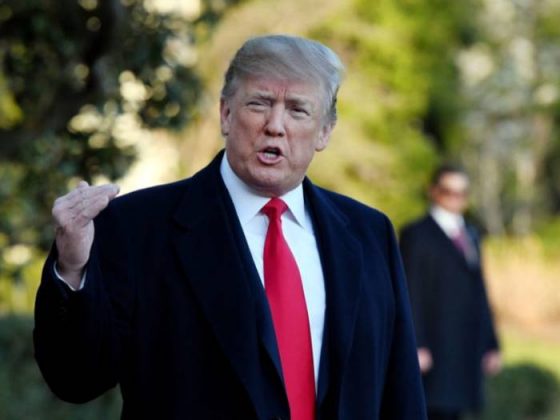
Reactions have continued to follow United States President Donald Trump’s threat of military intervention in Nigeria, as many Nigerians urge President Bola Tinubu’s administration to act swiftly against terrorism and religious violence.
Trump recently designated Nigeria as a “Country of Particular Concern” and warned that he had instructed the US Defense Department to prepare for possible action if the Nigerian government “continues to allow the killing of Christians.”
President Tinubu rejected the characterization, saying it did not reflect Nigeria’s reality and overlooked the government’s ongoing efforts to protect religious freedom. The Ministry of Foreign Affairs also reaffirmed Nigeria’s commitment to combating extremism while expressing hope for continued cooperation with the US.
Several international bodies have voiced opposition to Trump’s statement. ECOWAS described the claims of “Christian genocide” as false and dangerous, stressing that terrorist violence in the region affects all groups regardless of religion or ethnicity.
China also expressed strong support for Nigeria, with Foreign Ministry spokesperson Mao Ning stating that Beijing opposes any attempt by foreign powers to interfere in other countries’ internal affairs under the guise of human rights or religion.
Similarly, the European Union said it respected Nigeria’s sovereignty, emphasizing its commitment to supporting stability and peaceful coexistence in the country.
Within Nigeria, reactions were divided. Some citizens welcomed Trump’s stance, saying it reflected the harsh realities of insecurity and persecution, while others accused commentators of twisting his words.
Anyebe Ekainu urged Trump to act swiftly, lamenting the loss of innocent lives in states such as Benue, Kaduna, Plateau, Adamawa, and Taraba. Social critic Mike Divine argued that critics of Trump’s comments should first address unresolved tragedies like the abduction of Leah Sharibu and the discovery of mass graves in Plateau State.
CLEEN Foundation’s Programme Director, Salaudeen Hashim, described Nigeria’s repeated inclusion on the “Country of Particular Concern” list as a diplomatic setback. He called for stronger international engagement and improved intelligence operations to counter terrorism effectively.
Several other Nigerians, including Michael Akor, Ibrahim Mohammed, Abdul Rahman, and Anthony Ameh, supported Trump’s warning, saying external intervention might finally compel Nigerian leaders to confront insecurity decisively.
However, some critics cautioned against foreign interference, warning that it could threaten Nigeria’s sovereignty. Others, like Chibueze Obi, argued that Trump’s warning should not be viewed as a declaration of war on Nigeria but rather as a move to target terrorists and their sponsors.


