

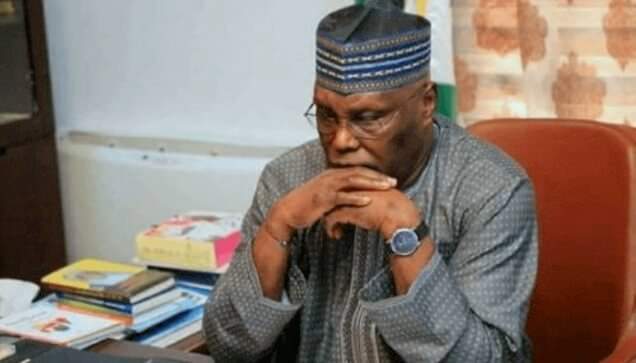
A civil society group, Kaduna Voices United, has criticised former Vice President Atiku Abubakar over his recent comments concerning the arrest, detention and prosecution of former Kaduna State Governor, Nasir El Rufai.
The coalition said Atiku’s remarks suggest selective standards on issues of accountability and governance.
In a statement issued by its Chairman, Yariok Makama Goje, the group acknowledged concerns about El Rufai’s health and well being, but insisted that such concerns should not overshadow the serious legal challenges confronting the former governor.
The coalition was reacting to comments attributed to Atiku, who reportedly stated that the Federal Government should be held responsible if anything happens to El Rufai, particularly following reports that he suffered a nosebleed while in detention.
Describing the situation as “deeply troubling and unacceptable in a democracy,” the former Vice President had called for clarity on the agency responsible for detaining the ex governor.
However, Kaduna Voices United questioned why similar calls for accountability were not made during El Rufai’s tenure from 2015 to 2023, a period the group said was marked by allegations of financial mismanagement and intimidation of critics.
“The silence from important people, like Atiku Abubakar, during those difficult times makes us worry a lot about whether they are still honest in their current roles,” Goje said.
“The case of Nasir El Rufai shows what can happen when someone in a position of power is accused of wrongdoing while in office. It is not only foolish but also risky to think about trying to clear El Rufai’s name when he is dealing with major legal problems, like serious criminal cases brought by the Department of State Services, DSS, and probes by the Economic and Financial Crimes Commission, EFCC, and the Independent Corrupt Practices and Other Related Offences Commission, ICPC.
“The charges against him involve illegal wiretapping, not reporting intercepted messages, and endangering national security.”
The coalition further noted that anti corruption agencies are investigating allegations of financial misconduct during El Rufai’s administration, including claims that public funds allocated for major infrastructure projects were misapplied.
It stated that such allegations require thorough legal scrutiny rather than political intervention.
According to the group, the EFCC is examining claims that N432 billion was misappropriated, alongside alleged money laundering linked to projects such as the Kaduna light rail initiative, underscoring the gravity of the accusations.
“Using public money for wrong purposes, especially in a country where there isn’t much money and public services don’t get enough support, is a big break of the trust people have in those in charge. The ICPC’s probe into claims of misuse of position and procurement violations adds to how serious the situation is,” the statement read.
“These claims show that someone is using their position for their own benefit in a planned way, which hurts the trust people have in the role and makes them lose faith in how the government works. In a democracy, it’s important to hold public officials responsible.
“They should follow the best behavior and act in the best interest of the people, not just themselves. It’s important to understand that the legal problems El Rufai is facing aren’t just personal matters; they also show bigger issues about how government works, whether leaders are held responsible, and how the law is followed in Nigeria.
“Trying to prove he is innocent despite serious accusations goes against the basic ideas of fairness and responsibility that are essential for a democracy to work properly. Public officials should be responsible for what they do, especially if their actions could endanger the country’s safety or involve using public money in the wrong way.
“The legal actions started by the DSS, EFCC, and ICPC are not only about punishing people who do wrong; they are also about making sure public officials don’t misuse their power and that the law is followed properly.
“The idea of trying to prove that Nasir El Rufai is innocent despite the serious legal issues he is going through is not only not possible but also goes against the principles of fairness and responsibility.
“The seriousness of the accusations against him requires a detailed look into the situation, and if needed, the right legal actions should be taken.
“It’s concerning to see so much worry about El Rufai’s well being now, especially since many of us have been asking for accountability for his actions while he was in charge.
“The lack of attention to ethical standards during his time as governor, which involved claims of corruption and misuse of power, is now being overlooked because people are showing too much pity, even though he is now facing the results of what he did before.
“This big difference is not just dishonest, but it shows a bigger problem of people getting away with bad behavior that has been around in our politics for a long time.
“Atiku’s comments show a concerning lack of consistency and a level of embarrassment that needs to be looked into. It’s wrong to ask for accountability for how El Rufai was treated without speaking up about the same problems that are now causing him trouble.
“The idea that people’s health and well being should come first, even if public officials misuse their power for their own benefit, sets a harmful example.
“This means that having political connections can protect people from facing the consequences of what they did, which goes against the idea that everyone should be treated fairly and justly according to the law.
“It’s important to agree that asking for transparency when someone is being held is a good idea; but it shouldn’t only be used in certain situations. The same strong push from Atiku for clear answers about El Rufai’s detention should also apply to everyone else who is accused of corruption or wrongdoing.”


