

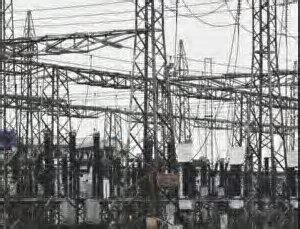
Controversy has emerged following the approval of the Grid Asset Management Company, GAMCO, by the Federal Executive Council as part of efforts to address Nigeria’s persistent national grid failures and electricity outages.
The decision was taken during the council’s meeting on Wednesday.
The Minister of Information and National Orientation, Mohammed Idris, said the establishment of the company is aimed at strengthening the electricity transmission value chain.
“The President has seen that where the problem is mainly in our quest to solve the power problem is largely in the transmission section,” the minister said while announcing the approval after the meeting.
However, the development has generated debate among experts in the electricity sector who raised concerns about a possible duplication of roles with the Nigeria Independent System Operator and the Transmission Company of Nigeria at a time when the industry is grappling with liquidity challenges.
The Chief Executive Officer of the Association of Power Generation Companies, Joy Ogaji, questioned the overlap in responsibilities and the legality of GAMCO under the provisions of the Electricity Act 2023.
“This raises many questions. What is NISO’s role? Is this formation in accordance with the EA 2023? Is TSP being phased out or will it operate side by side? What asset is this GAMCO going to manage?” she queried.
Similarly, the President of the Nigeria Consumer Protection Network, Kunle Olubiyo, warned that the move could potentially lead to significant job losses within the Transmission Company of Nigeria.
“What happenes to the existing staff of the current Transmission Company of Nigeria?” Olubiyo asked.
The debate comes as the country continues to face declining electricity supply in recent weeks, a situation attributed by the Nigeria Independent System Operator to shortages in gas supply.
The development also follows recent tensions between power generation companies and the Nigeria Labour Congress over the N6.6 trillion legacy debt in the power sector.


