

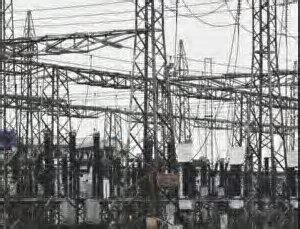
Nigeria was plunged into widespread darkness on Monday, December 29, 2025, following the fourth collapse of the national power grid this year, worsening electricity supply challenges for households and businesses across the country.
The grid collapse, which occurred around 2:02 pm, according to the Abuja Electricity Distribution Company, resulted in power outages across its coverage areas in Abuja, Nasarawa, and Kogi states. The disruption led to significant financial losses running into billions of naira for businesses and individuals who depend on grid supplied electricity.
In an update posted later on Monday via its X handle, the Nigeria National Grid said electricity generation recovered from about 50 megawatts earlier in the day to 2,958 megawatts as of 10:17 pm.
Following the commencement of restoration efforts, power allocations were distributed to several electricity distribution companies. Abuja DisCo received 453 megawatts, Ikeja DisCo 447 megawatts, Eko DisCo 380 megawatts, Ibadan DisCo 354 megawatts, Benin DisCo 241 megawatts, Enugu DisCo 230 megawatts, Port Harcourt DisCo 210 megawatts, Kano DisCo 199 megawatts, Kaduna DisCo 191 megawatts, Jos DisCo 167 megawatts, and Yola DisCo 86 megawatts.
Despite the restoration efforts, electricity supply had not returned to most parts of the country as of Monday night, with several distribution companies confirming ongoing blackouts.
Nigeria has now recorded four national grid collapses in 2025, occurring on February 12, March 7, September 10, and December 29. This follows more than 12 grid failures recorded in the previous year, highlighting persistent structural challenges in the power sector that have lingered for over a decade.
Commenting on the latest incident, the Chief Executive Officer of the Centre for the Promotion of Private Enterprise, Dr. Muda Yusuf, described the collapse as disappointing, noting that businesses could suffer major losses if power is not restored within 24 hours.
“We thought that we had gone past this. Because this year has been relatively stable. But now we have this collapse. It’s not a good way to end the year. But we can only hope that it’s something that we fix very quickly,” he said.
Also reacting, former spokesperson of the Abuja Electricity Distribution Company, Oyebode Fadipe, expressed concern over the grid failure, particularly as it occurred during a festive period when electricity demand is typically low.
According to him, many industrial and commercial users usually shut down operations during the holidays, reducing pressure on the grid. However, he noted that reduced demand does not completely eliminate the risk of outages, as major technical faults or external disruptions could still trigger a collapse.
Fadipe said the exact cause of the latest grid failure remains unclear, but raised concerns about possible vandalism of gas pipelines, recalling recent incidents that disrupted power generation and required intervention by the Nigerian Independent System Operator.
He warned that recurring grid collapses reflect deeper structural problems within the Nigerian Electricity Supply Industry and expressed doubt that 2026 would be significantly different without deliberate reforms.
“The collapse of the grid at a time of low load demand frightens me. All said, the fact that we are still grappling with a grid system outage at this time in the life of the sector leaves much to be desired,” he said.
Fadipe urged the implementation of appropriate policies to prevent further deterioration of the power sector and improve electricity reliability nationwide.
The latest collapse comes amid criticism of the Minister of Power, Adebayo Adelabu, who did not meet his pledge to deliver 6,000 megawatts of electricity by the end of 2025.


