

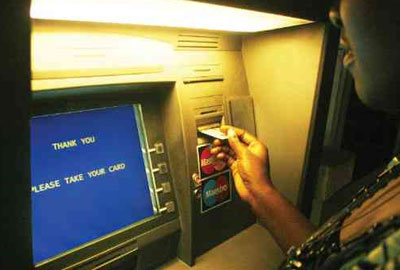
Economists and bank customers have raised concerns over the Central Bank of Nigeria’s proposed increase in Automated Teller Machine card issuance fees from N1000 to N1500.
The development follows the release of a 42 page exposure draft on April 21, 2026, outlining a Guide to Charges by Banks and Other Financial Institutions.
Among the proposed changes are a 50 percent increase in ATM card issuance fees, the removal of maintenance charges on naira debit and credit cards, and a 10 dollar annual maintenance fee for foreign currency denominated cards.
The apex bank also called on financial institutions and the public to submit feedback on the draft on or before May 8, 2026.
The proposal has generated mixed reactions, particularly regarding the increase in ATM card issuance fees. While some Nigerians argue that the hike would further burden bank customers, others have welcomed the planned removal of maintenance charges on naira cards.
Speaking in an interview, President of the Bank Customers Association of Nigeria and financial analyst, Dr. Uju Ogunbunka, criticized the timeline for public feedback, describing it as rushed and unrealistic.
“We disagree with the take off date or proposed take off date. It appears rather too sudden, too near,” he said.
Ogunbunka added that the short timeframe would make it difficult for stakeholders to adequately review and respond to the document.
“I think it is Herculean, especially given what is happening in our own environment,” he added.
He stressed that the tight deadline limits the ability of stakeholders, particularly operators, to properly study the document.
“The first reaction we have is that the deadline is too tight for people to react.
“Nigerians would have been given more time to study, especially operators,” Ogunbunka stated.
Also reacting, Professor of Accounting and Finance at Lead City University, Godwin Oyedokun, warned that the proposed increase could place additional strain on consumers and hinder financial inclusion.
He noted that the move highlights ongoing tension between regulatory cost adjustments and consumer welfare.
“At a time when many Nigerians are already grappling with inflation, stagnant incomes, and rising living expenses, any upward review of banking charges is bound to attract scrutiny,” he said.
Oyedokun explained that while rising operational costs may justify the adjustment from a regulatory standpoint, consumers often experience banking fees as a cumulative burden.
“Consumers often experience banking charges not as isolated items, but as a cumulative burden,” he said.
“Transfer fees, SMS alert deductions, electronic transaction charges, and other service related costs already create the perception that customers are paying continuously simply to access their own money,” he added.
He warned that the increase would likely be viewed as an added strain on households already under pressure.
“For low income earners, students, pensioners, artisans, and small business operators, N500 is not a negligible amount. It can cover transportation, food, or basic household needs,” he said.
On financial inclusion, Oyedokun cautioned that higher costs could discourage the use of formal banking channels.
“If the cost of accessing banking tools continues to rise, some consumers may delay replacing expired or damaged cards, reduce usage of formal channels, or revert to cash based transactions,” he said.
He noted that such outcomes could undermine the country’s push for digital payment adoption.
Oyedokun, however, acknowledged potential benefits in the proposal, including the possible removal of recurring maintenance charges on naira cards.
“If effectively implemented, some customers could save more over time than they lose through the one off increase,” he said.
He emphasized that public trust and service delivery would be key to acceptance of the new charges.
“Nigerians are more likely to accept reasonable charges when banking services are efficient, transparent, and dependable,” he said.
Highlighting ongoing challenges, he cited failed transactions, delayed reversals, ATM cash shortages, poor complaint resolution, and unexplained deductions as issues that continue to erode customer confidence.
“The CBN must therefore ensure that any revised charges are matched by stronger consumer protection measures.
“Banks should be required to communicate fees clearly, eliminate hidden charges, improve service delivery standards, and strengthen dispute resolution mechanisms.
“Regulatory reform must not become synonymous with fee increases alone,” Oyedokun added.
“Ultimately, banking should remain accessible, affordable, and trustworthy.
“Financial inclusion is sustained not merely by opening accounts, but by ensuring that citizens can use financial services without feeling exploited,” he said.


