

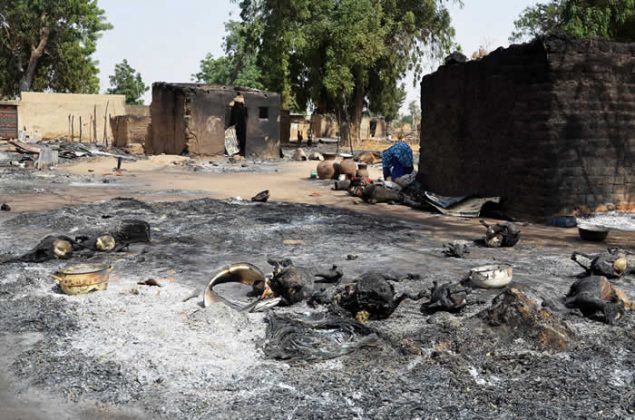
Nigeria’s Minister of Defence, General Christopher Musa (rtd), has explained why terrorism, banditry, and other forms of insecurity continue to pose serious challenges across the country.
Speaking at the June 12 edition of The Platform, organized by The Covenant Nation in Lagos, Musa said the persistence of insecurity is partly due to the support criminal groups receive from individuals within local communities.
According to the Defence Minister, terrorists and bandits are often sustained by local networks that provide them with essential resources and intelligence.
“Banditry, insurgency, terrorism. Why does it seem so difficult to deal with it? Perhaps, we have the people that are also encouraging and supporting these things from happening because the terrorists, the bandits, survive around the people.
“There are several stories of how people have aided them in giving them food, giving them water, and giving them information, and these are the things that keep them going, and we call this the oxygen
“Who is funding them? Who are those giving them information? Who are those giving them the logistics that keep them going? It is still the people,” he asked.
Musa noted that modern security threats have become increasingly complex because criminal elements often operate within civilian populations, making it difficult for security agencies to identify and isolate perpetrators without harming innocent people.
He stressed that the armed forces and other security agencies cannot win the fight against insecurity without active cooperation from citizens.
The Defence Minister urged Nigerians to remain vigilant, report suspicious activities, and support ongoing security operations, emphasizing that public collaboration remains critical to restoring peace and stability across the country.


