

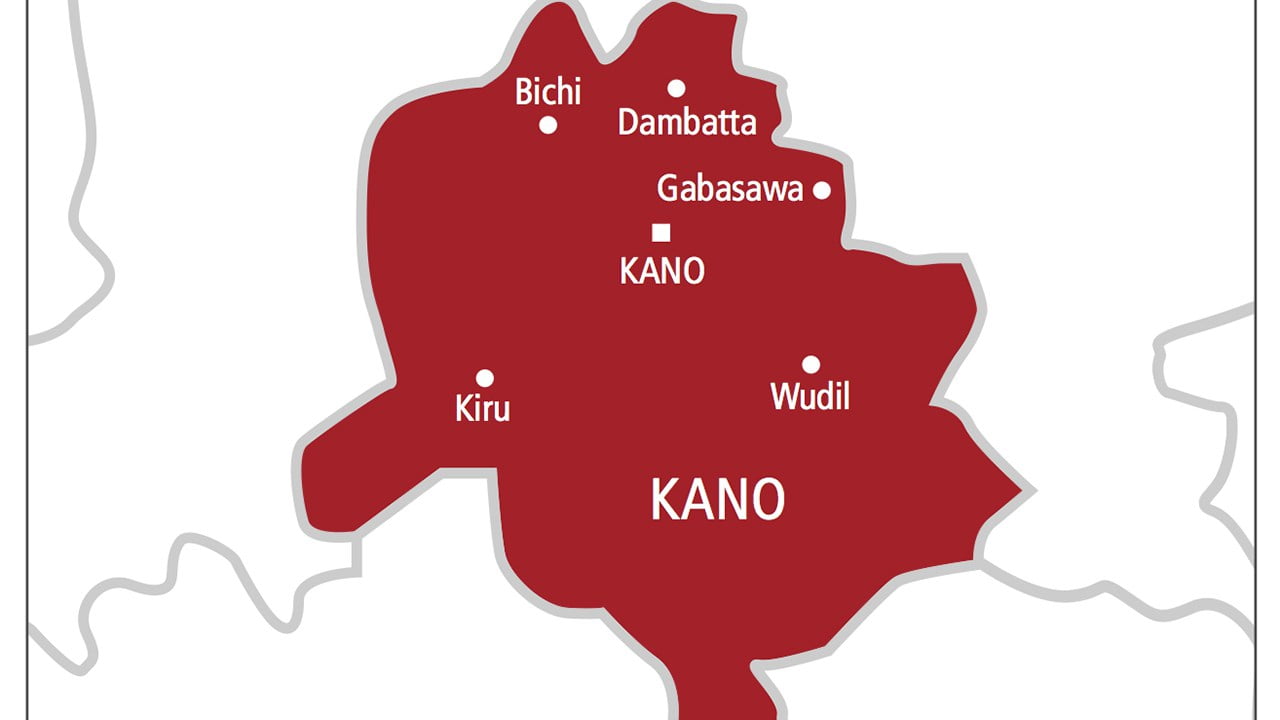
For many families in Kano, the approach of Mawlid has traditionally been marked by freshly prepared meals, slaughtering of chickens or rams, new clothes for children and gatherings with relatives to celebrate the birth of Prophet Muhammad (SAW).
However, this year’s celebration is taking a different turn as rising food prices and increasing household expenses force many families to adjust their plans according to their financial means.
The Federal Government has declared Tuesday a public holiday for Muslims across Nigeria to commemorate Eid ul Mawlid. However, some households are entering the holiday struggling to meet even their basic food needs.
Musa Ibrahim, a Kano resident and father, said he usually buys chickens for his family during Mawlid but was uncertain if he could afford one this year.
“At the moment, I only have N1,000, and I have a family to take care of, you can see that buying a chicken is no longer possible,” he said.
Musa said he would explain the situation to his children if he was unable to provide the food they expected.
“We have not given up hope, but if we cannot afford it, I will tell them to be patient, we have celebrated it before,” he added.
The economic pressure is also being reflected in local markets, with poultry sellers reporting weaker demand ahead of the celebration.
Sagir Ya’u, popularly known as Slow, a chicken seller, said sales this year were significantly lower than in previous years.
He said customers who previously bought larger chickens were now opting for smaller and cheaper ones.
“The bigger ones cost between N5,000 and N10,000, but honestly, people are buying the smaller ones because there is not much money in their hands,” Ya’u said.
He disclosed that he had more than 100 chickens in stock as of Monday but had sold only 15.
“In previous years, when people knew that Mawlid was the next day, I would sell more than 50 chickens. But now, only 15 have been sold, and they are mostly the smaller ones, when people hear the price of the bigger ones, they simply walk away,” he said.
Ya’u attributed the weak sales to the broader financial difficulties facing households.
“There is not much money in people’s hands, and government workers have not even received their salaries,” he said.
Meanwhile, the Chairman of the Kano State Council of Ulama, Sheikh Ibrahim Khalil, urged Muslims not to allow financial difficulties to prevent them from observing Mawlid.
He acknowledged that residents in Northern Nigeria often face financial pressure during the rainy season but said the situation had become more difficult this year because of the wider economic hardship.
“This is not something new, there is usually financial pressure in the North during this period, but this year’s situation is different because people are facing serious hardship,” Sheikh Khalil said.
He advised Muslims against turning Mawlid celebrations into a competition over spending, urging them to observe the occasion according to their means.
“It is done for the sake of Allah. Lack of money should not have much effect because it is not a competition, and Allah does not burden anyone beyond their capacity,” he said.
For many Kano families, the message has become increasingly relevant as economic realities shape how they observe the occasion.
While traditional celebrations remain important, the scale of festivities is now being determined largely by what households can afford.
For some families, this year’s Mawlid may come without chickens, new clothes or elaborate meals, but they intend to mark the occasion modestly within their means.


