

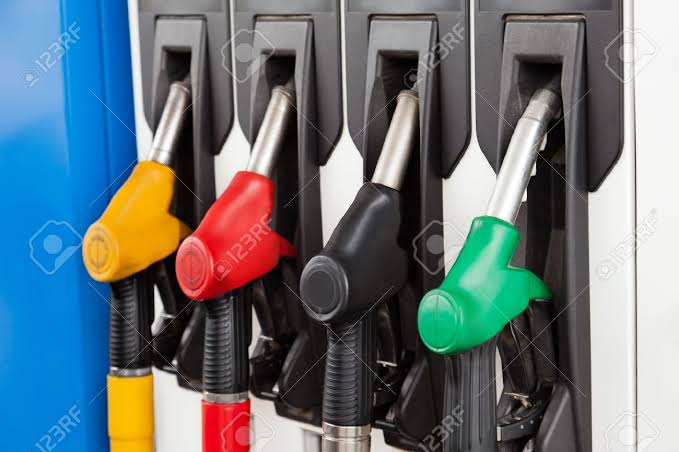
President Bola Ahmed Tinubu has approved the introduction of a 15 per cent import duty on petrol and diesel, a move expected to take effect in the coming weeks. Industry analysts say the tariff will likely increase pump prices as Nigerians will bear the impact once the policy becomes fully operational.
The tariff represents an additional cost of roughly N99.72 per litre for imported fuel products. Executive Chairman of the Federal Inland Revenue Service Zacch Adedeji stated that the development is intended to support domestic refineries and reduce reliance on imported petroleum products. The projected pump price for imported petrol in Lagos could rise to approximately N964.72 per litre from the current N925, with higher prices anticipated in Abuja and other regions.
Since the announcement, the policy has attracted mixed reactions from stakeholders. Presidential spokesperson Sunday Dare described the measure as a bridge, not a burden, saying the duty is aimed at reducing Nigeria’s reliance on foreign refined products by building domestic refining capacity.
Bismark Rewane, Chief Executive Officer of Financial Derivatives Company Limited, also welcomed the decision, explaining that it encourages local production. The Centre for the Promotion of Private Enterprise echoed this stance, noting that the duty will offer protection to local refineries including those operated by Dangote and the Nigerian National Petroleum Company Limited.
However, critics argue that citizens will suffer the consequences. Delta State businessman and All Progressives Congress member Ayiri Emami faulted the policy, saying, This kind of policy will not hurt marketers, it will hurt ordinary Nigerians.
Independent Petroleum Marketers Association of Nigeria spokesperson Chinedu Ukadike also opposed the tariff, warning that it will raise fuel prices nationwide.
In separate remarks to DAILY POST, Dr Tim Okon, Managing Partner at TENO Energy Resources Limited, along with representatives of the Petroleum Technology Association of Nigeria and the Nigeria Labour Congress, shared their views on the development.
Dr Okon said the tariff aims to reduce Nigeria’s dependence on imported fuel and reinforce the contribution of the Dangote Refinery to the nation’s energy sector. He stated, The 15 per cent import tariff is to address dependence on imports. Additional importation may not be needed with Dangote Refinery’s capacity in terms of fuel, diesel and other refined petroleum products. The move is eventually to reduce the influx of PMS in particular.
He added that the policy could still generate government revenue if imports continue, while stressing that petrol pricing should be determined by market forces, saying, If there is a market for imported petrol despite Dangote pricing, so be it. Dr Okon highlighted the need to implement the Petroleum Industry Act fully to support fair competition.
From PETAN, Lucky Akhiwu acknowledged that the policy supports local refining but expressed concern over the possible influx of cheap imported petroleum products. Akhiwu said, It is a good policy. My only concern is that I hope this will not lead to the importation of cheap refined products into the country. He also confirmed that petrol and diesel prices will rise once the tariff takes effect.
Nigeria Labour Congress spokesperson Benson Upah warned that while the policy could be beneficial if domestic capacity meets national demand without manipulation, consumers would suffer if the tariff is used to distort the market. Upah stated, If local capacity can meet local demand without distortions or manipulations to achieve an undue business advantage at the expense of the consumer, this will be quite okay because we need to protect local industries. He further cautioned that misuse of the policy could translate to an additional financial burden on citizens.
The Nigerian Midstream and Downstream Petroleum Regulatory Authority reports that Dangote Refinery supplies about 20 million litres of petrol daily out of Nigeria’s estimated average daily consumption of between 45 million and 50 million litres. The refinery has said it currently loads more than 45 million litres of petrol per day and supports the new import duty policy.
At the moment, petrol prices in Lagos and Abuja range between N925 and N960 per litre, with some marketers including NNPCL, Eterna and AA Rano recently adjusting prices in Abuja to N940 per litre from N950 and N955 respectively.


