

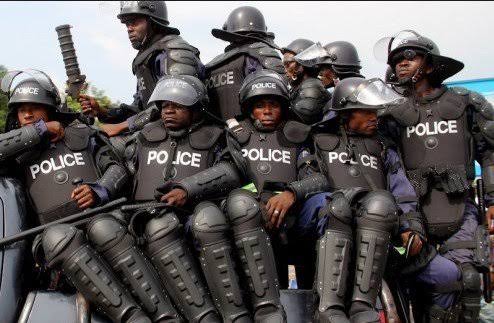
Former Joint Task Force Commander, Dr. Isma’il Tanko Wudilawa, has stated that the proposed creation of state police in Nigeria raises critical questions despite its potential benefits in addressing insecurity.
Speaking on the issue, the retired Nigeria Immigration Service personnel noted that the state police proposal has been under discussion in Nigeria since the 1990s but has repeatedly stalled due to multiple concerns.
According to him, “What would happen to the Federal Police? Would every officer be returned to their states, or would they work together? There would be a clash of interests.”
Dr. Wudilawa explained that if properly structured and managed, state police could significantly improve intelligence gathering and crime detection.
“It (state police) would facilitate intelligence gathering because they are in the state. If something happens, it would be known easily, unlike the Federal Police, which has too much bureaucracy.”
He, however, warned that the system could face serious operational and structural challenges, particularly in states struggling with salary payments and governance issues.
“If the states cannot pay salaries, there could be a problem.
“Also, if the officers are not properly checked, there would be problems, especially if politics plays a role.”
He further raised concerns about possible corruption and abuse of influence within the system.
“Even a drug dealer who knows a politician can hold a position, opening ways to rising crime.”
Dr. Wudilawa stressed that traditional and community leaders must play active roles in the recruitment and oversight of state police to ensure accountability and reduce political manipulation.
He said, “Both the ward heads, imams, pastors, and community elders ought to be fully engaged in recruiting state police.”
He also urged the government to avoid politicizing the structure, emphasizing that passing the bill is only the first step and that effective implementation remains crucial.
Also speaking on the issue, retired military officer and security analyst, Capt. Abdullahi Bakoji Adamu, said the conversation should focus less on whether Nigeria needs state police and more on whether adequate constitutional and institutional safeguards are in place to prevent abuse.
“As a retired military officer and security analyst, I acknowledge that Nigeria’s centralized policing system has faced enormous challenges in tackling insecurity, particularly banditry, terrorism, kidnapping, and communal conflicts,” he said.
He noted that decentralizing policing could improve local intelligence, response time, and community based security operations.
“Decentralizing policing has the potential to improve intelligence gathering, rapid response, and community based security.”
However, Adamu maintained that public concerns over political misuse remain valid.
He warned that state police could be weaponized by political office holders to intimidate opponents, suppress dissent, or interfere with democratic processes if proper checks are not established.
“In my view, state police is neither a magic solution nor an automatic threat. Its success will depend entirely on how it is implemented.
“There must be independent oversight, professional recruitment based on merit, adequate training, strict adherence to human rights standards, sustainable funding, and robust accountability mechanisms to prevent political interference.”
Adamu added that while security operations should be brought closer to communities, law enforcement must remain firmly rooted in the rule of law.
“If the necessary safeguards are built into the system and faithfully implemented, state police can significantly strengthen Nigeria’s internal security architecture. If not, it risks creating new security and governance challenges.
“The focus, therefore, should not simply be on creating state police, but on ensuring that Nigeria builds a professional, accountable, and people centred policing system that serves all citizens without fear or favour.”


